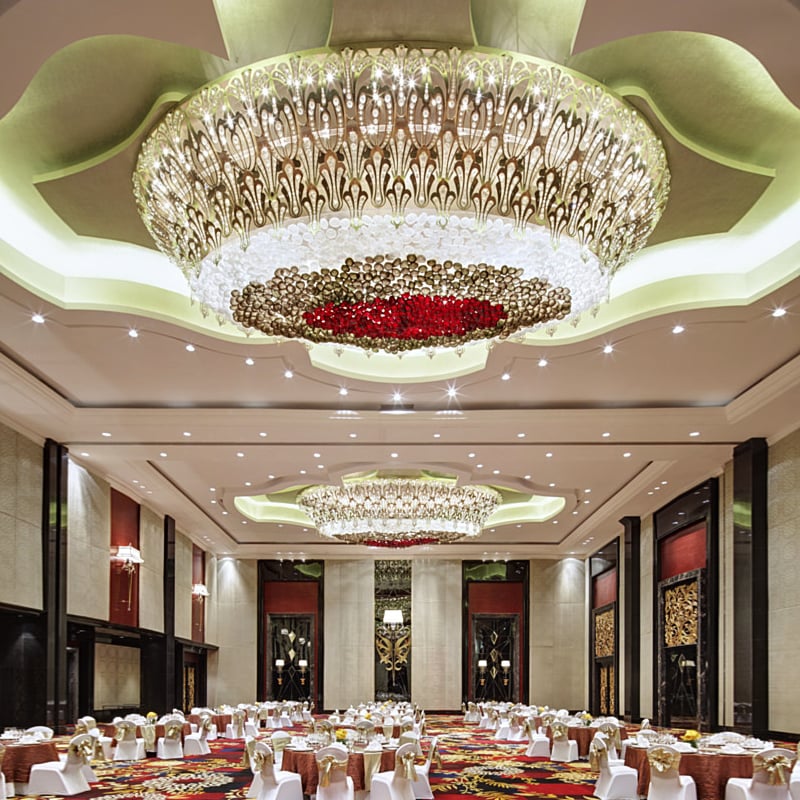
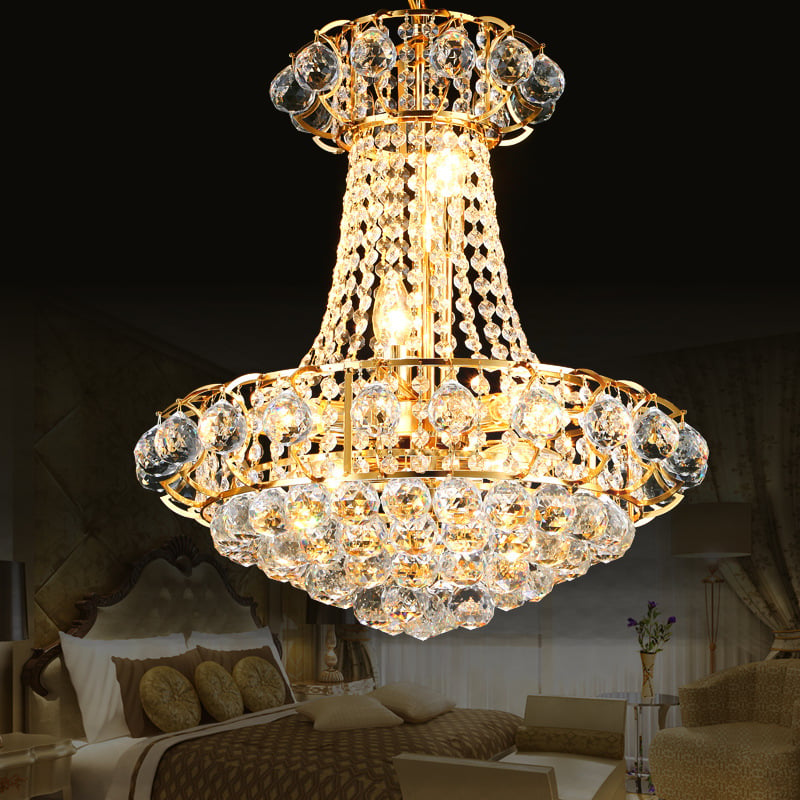
Handmade glass crafting is an intricate and detailed process that blends art, tradition, and technology to create beautiful, functional pieces. Glass products are often admired for their aesthetic qualities, and the production processes play a significant role in shaping their final form. From selecting the right raw materials to applying the precise techniques, each stage in the glass production process contributes to the overall quality and artistry of the final product. The main stages in the creation of handmade glass include batching, melting, forming, and annealing, all of which are crucial to achieving the desired finish.
1. The Ingredients
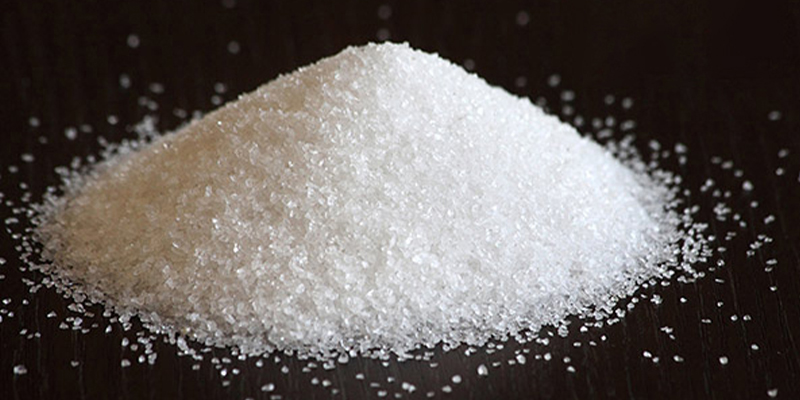
The first step in producing high-quality glass is selecting and preparing the ingredients. The composition of raw materials is critical to ensuring the desired physical properties of the glass. In this stage, various raw materials, such as quartz sand, limestone, feldspar, soda ash, and boric acid, are carefully measured and mixed in specific proportions. The precise ratio of these ingredients dictates the quality, color, and durability of the glass produced. The materials are combined in a mixer, which evenly blends them to create the base mixture, ready for the next step in the process.
2. The Melting System
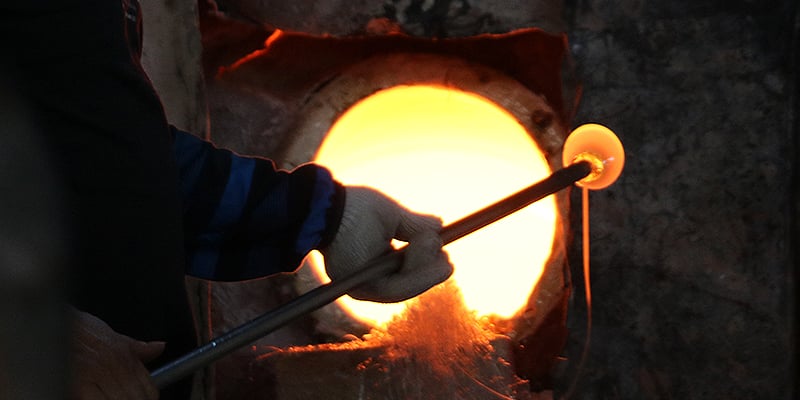
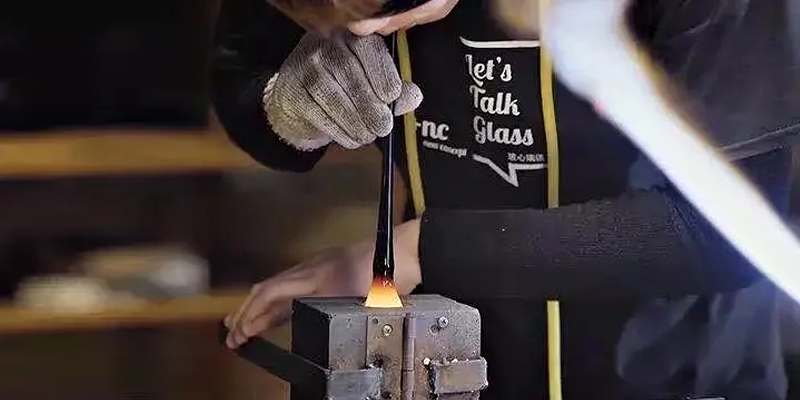
Once the raw materials are ready, they are fed into a melting kiln, where they are subjected to extremely high temperatures. The furnace heats the raw material mixture to such an extent that it melts and forms a liquid, free from any bubbles. This is where the real transformation takes place, as the raw ingredients undergo a complex physical and chemical reaction. During the melting process, the temperature must be carefully controlled to ensure the creation of smooth, uniform molten glass. The right conditions at this stage are essential for producing glass that is both functional and visually appealing.
3. The Forming Process
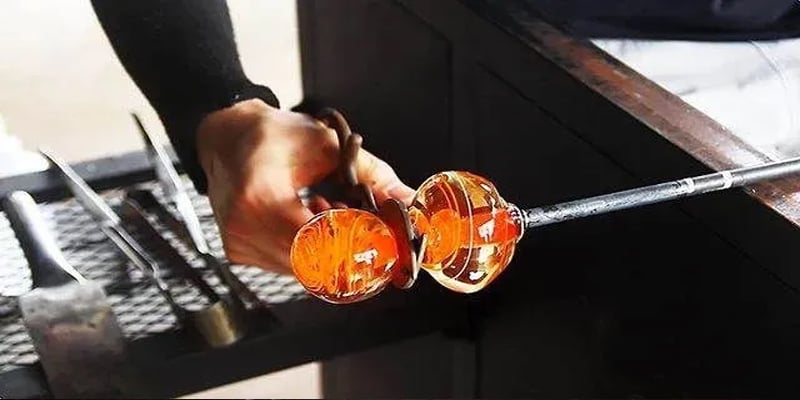
The forming stage is where the molten glass is shaped into its desired form. This process takes place within a certain temperature range, where the glass transitions from a viscous liquid to a plastic state and eventually to a solid form. The forming process can involve different techniques, including blowing, drawing, pressing, and free forming. Each method allows for different effects and textures, and the choice of method depends on the desired final shape and aesthetic of the piece.
Blowing: This method involves blowing air into molten glass to expand it into a bubble. It is commonly used for creating glass ornaments, bottles, or large decorative pieces.
Drawing: In this technique, the glass is pulled through a die to create thin, continuous strands of glass, which can be used for various purposes, including glass fibers.
Pressing: By applying pressure, the molten glass is formed into molds to create uniform shapes, such as glassware or lamp bases.
Free Forming: This method relies on hand-shaping molten glass into unique, organic forms without the use of molds. It requires a high level of skill and creativity from the artisan.
4. The Annealing Process
After the forming process, the glass is still subject to thermal stresses. These stresses occur due to the rapid temperature changes the glass experiences during the forming process. If left unchecked, the thermal stress can cause the glass to crack or shatter, affecting its strength and durability. To relieve this stress, the glass undergoes the annealing process.
During annealing, the glass is gradually cooled in a controlled environment, allowing it to maintain its integrity and strength. The annealing process is slow and requires careful monitoring to ensure the glass cools uniformly. By gradually reducing the temperature, the glass is able to strengthen, preventing cracking and ensuring it is stable enough for use in various applications, from home decor to lighting.
5. The Role of Glass Crafts in Art and Design
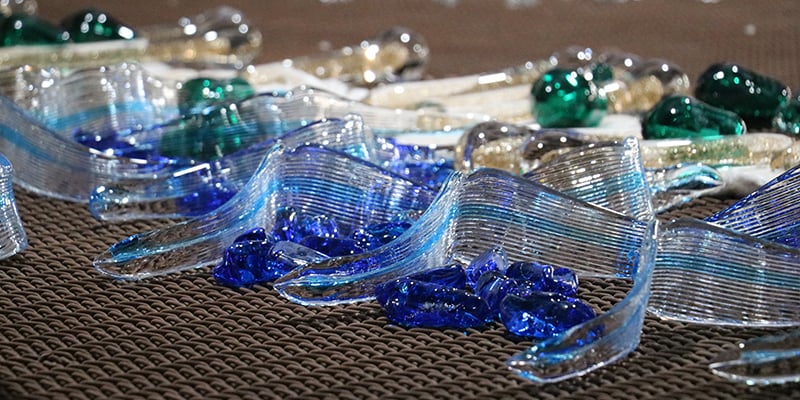
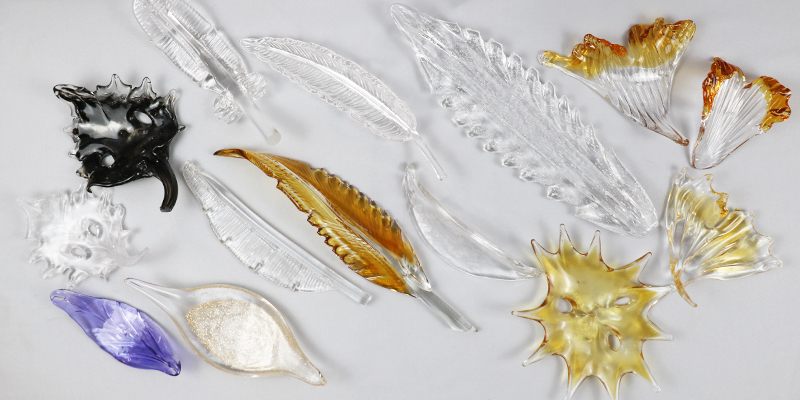
Glass crafting is not only a technical process but also an artistic one. Handmade glass crafts showcase the creativity and skill of the artisans who create them, blending the beauty of traditional craftsmanship with modern techniques. These glass creations often reflect the cultural influences and aesthetic philosophies of their creators, from Eastern to Western design principles.
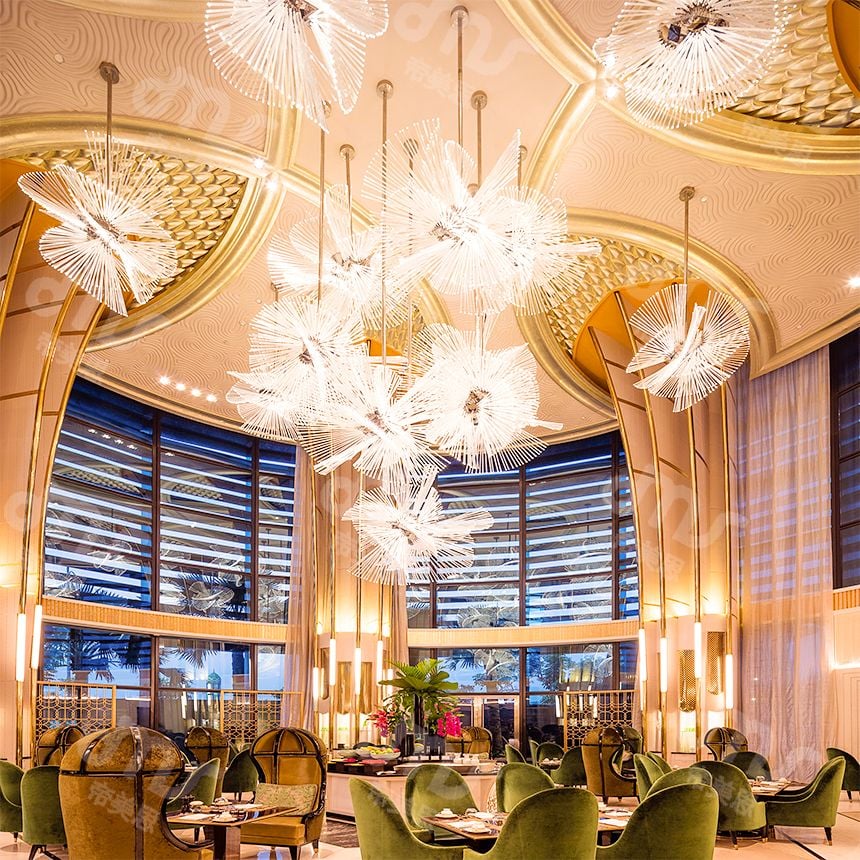
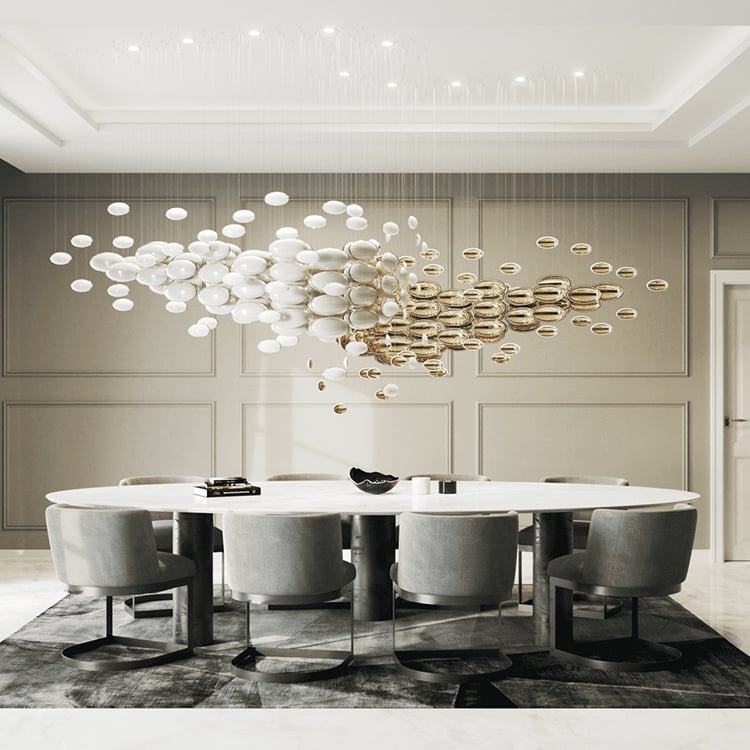
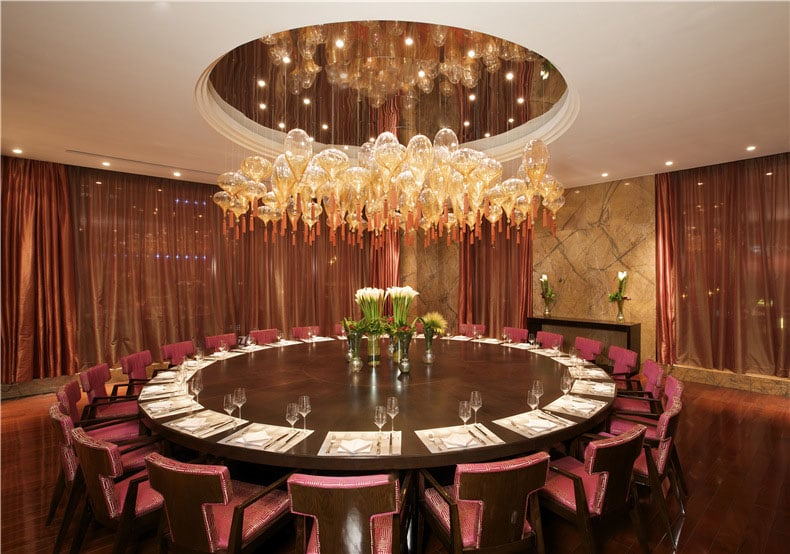
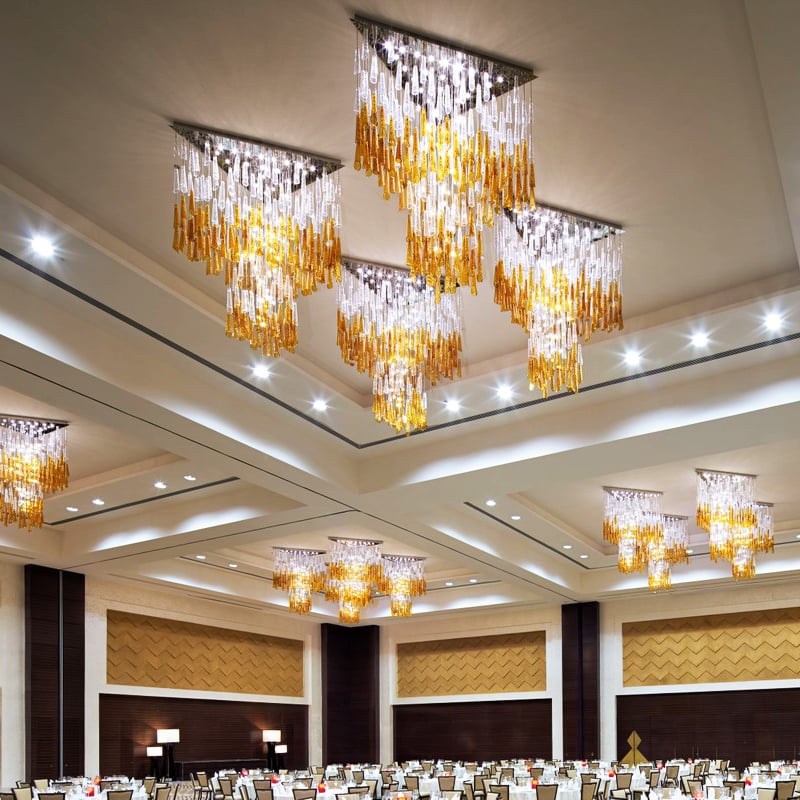
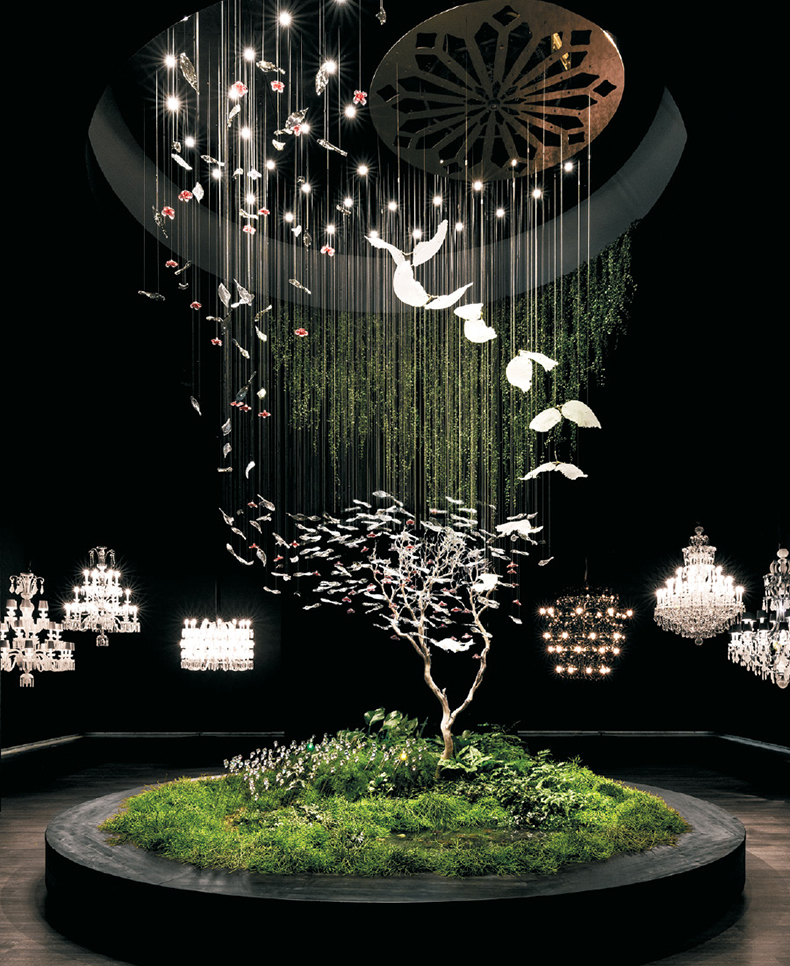
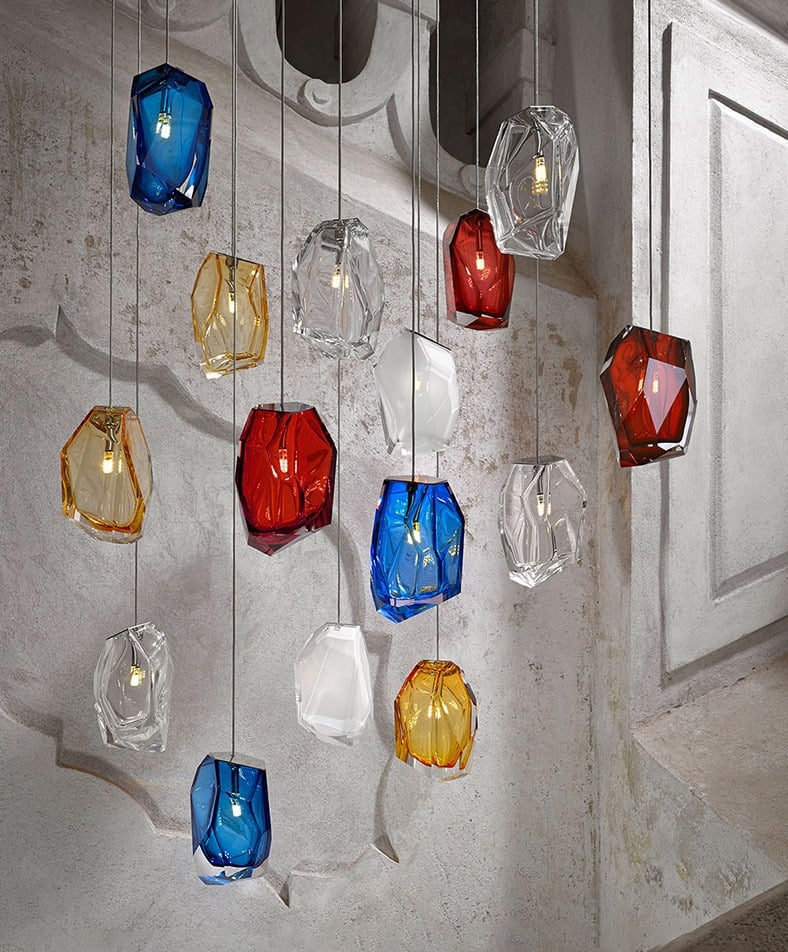
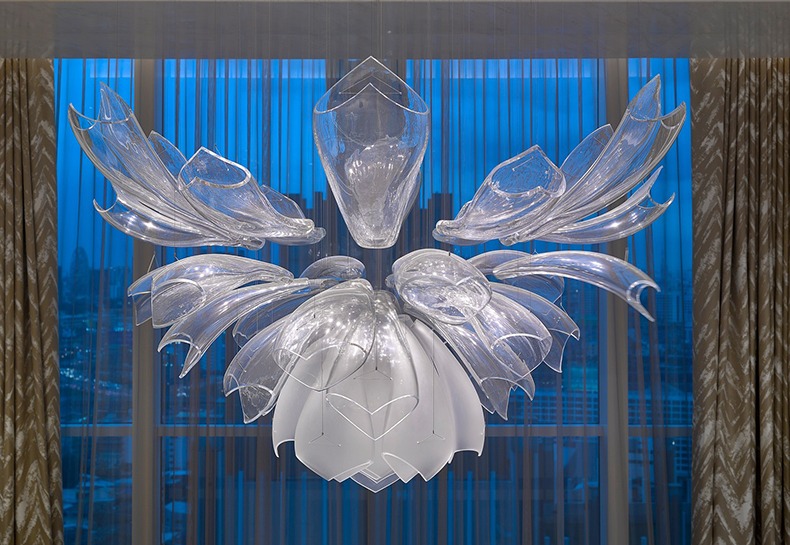
At AJM Lighting Company, for example, traditional glass artistry is combined with modern lighting technology to produce exquisite handmade glass art lamps. The lamps are designed to serve as both functional lighting fixtures and artistic expressions, blending the richness of culture with the precision of technology. The result is a product that not only provides light but also serves as a unique piece of art, elevating any space with its intricate design and craftsmanship.
6. The Fusion of Eastern and Western Aesthetics
In today’s globalized world, there is an increasing interest in products that combine different cultural aesthetics. Glass craft is no exception, and many artisans, including those at AJM Lighting Company, blend Eastern and Western design ideas in their creations. This fusion results in designs that appeal to a broader range of tastes and preferences, making handmade glass products versatile and highly sought after in international markets.
Whether it’s the delicate artistry of Eastern glassmaking traditions or the bold, modern influences of Western design, the combination of these two worlds leads to innovative, captivating products. For consumers, the ability to select from a wide variety of designs inspired by both cultures allows them to personalize their spaces with lighting that reflects their individual style and taste.
Conclusion
The production of handmade glass crafts is a meticulous process that combines technical expertise with creative expression. From the careful selection of raw materials to the precision required in the melting, forming, and annealing stages, each step is essential in creating a high-quality glass product. At companies like AJM Lighting, the fusion of traditional artistry with modern technology results in beautifully crafted glass art lamps that provide both functional lighting and aesthetic appeal.
With the ever-evolving trends in design, handmade glass crafts continue to be a source of inspiration and creativity for both artisans and consumers alike. As these techniques advance and new methods are developed, the possibilities for creating stunning, one-of-a-kind glass pieces continue to expand, enriching homes and businesses with their beauty and functionality.

 EN
EN