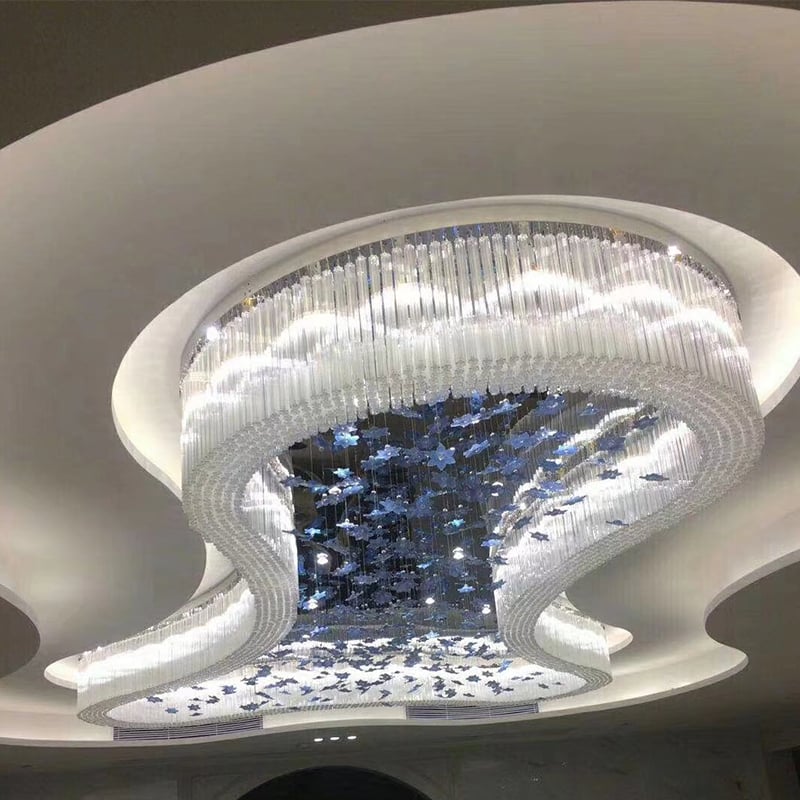
Crystal Types and Characteristics
Crystals have captivated human imagination for centuries with their dazzling beauty and fascinating formation. Among the various types of crystals, some are considered to be of superior quality, particularly those used in the jewelry, fashion, and interior decoration industries. Understanding the characteristics of different types of crystals, such as Austrian crystal (Swarovski), Egyptian crystal, imitated crystal, and artificial crystal, is essential for appreciating their value and determining their applications. Below, we explore the distinctive features of these crystal types in greater detail.
Austrian Crystal (Swarovski)
Swarovski, founded in 1895 in Austria, is one of the world's leading crystal manufacturers, renowned for its high-quality, precise, and brilliant crystals. As a luxury brand, Swarovski supplies an extensive range of beautifully cut crystals to various industries, including fashion, jewelry, and crystal lamps. The brand is synonymous with quality, and its products are known for their perfect cuts, brightness, and exceptional attention to detail.
Features of Swarovski Crystal:
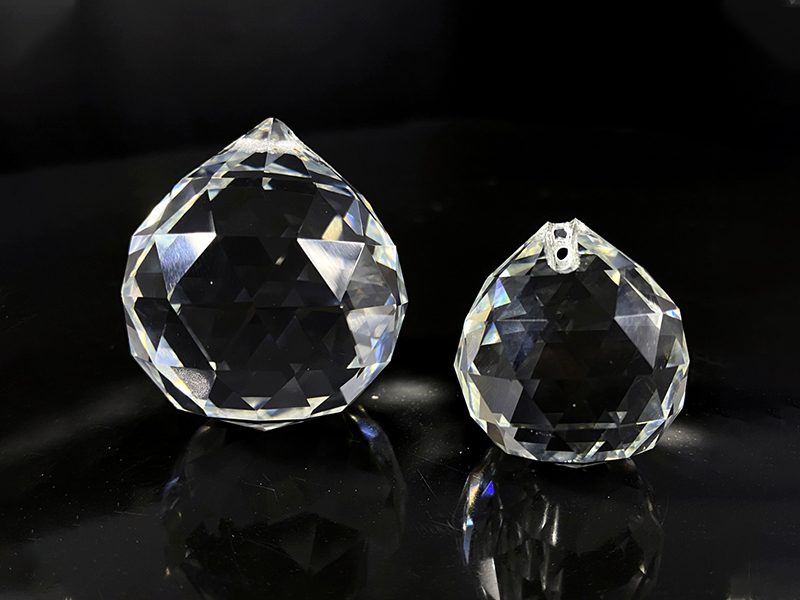
Sharp Edges and Corners: Swarovski crystals have sharply defined edges and corners, giving them a blade-like feel. The cutting lines are neat, and the intersection points are highly accurate, contributing to the crystal's striking visual appeal.
Weight: With a lead oxide content of more than 30%, Swarovski crystals are significantly heavier than other crystals of the same size. The higher lead content improves the weight and clarity of the crystal.
Transmittance and Refractive Index: Swarovski crystals are known for their excellent light transmittance and high refractive index. This means they sparkle brilliantly and reflect light in an exceptional way.
Hole Specification: The holes in Swarovski crystals are precise, with small spans that allow for detailed designs and applications.
Color Spectrum: Swarovski crystals display a wide range of vibrant colors, which are clearly visible from all angles. The colors are uniform, and the crystal’s brilliance is consistent.
Waterproof and Dust-Proof: After undergoing waterproof and dust-proof electrostatic processing, Swarovski crystals are easy to clean and resistant to dust accumulation.
Cutting Precision: The cutting surface of Swarovski crystals is more refined than most other crystals. The cuts are symmetrical, ensuring consistency across products.
Anti-Counterfeiting: Swarovski crystals are marked with a unique laser anti-counterfeiting logo, ensuring authenticity.
Swarovski crystals stand out for their unmatched beauty and precision. Their clarity, brilliant sparkle, and durability make them highly sought after by designers and consumers alike.
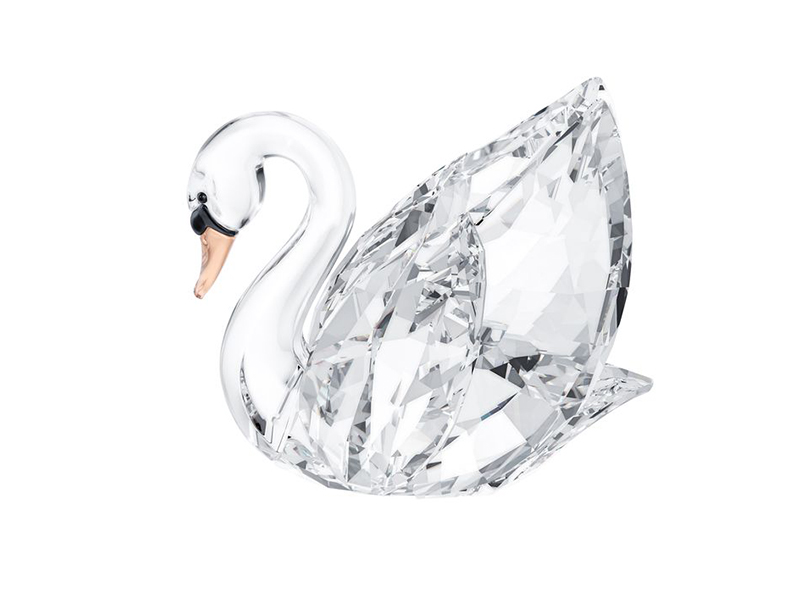
Egyptian Crystal
Egyptian crystal, known for its unique style, is another popular choice in the luxury crystal market. However, it does not achieve the same level of precision or brilliance as Swarovski crystals.
Features of Egyptian Crystal:
Asymmetrical Cutting Surface: The cutting surface of Egyptian crystals tends to be less symmetrical, and the intersection points of the cutting lines are not as accurate as those of higher-end crystals.
Rough Edges and Corners: The edges and corners of Egyptian crystal may not be as sharp as those found in higher-quality crystals. This can lead to a rougher feel and a less refined appearance.
Uneven Color Spectrum: The color spectrum in Egyptian crystals is not as uniform as that of Swarovski or other high-end crystals. This may result in a less brilliant visual effect.
Lead Content: Egyptian crystals generally contain more than 24% lead, which gives them weight but does not necessarily improve their optical properties to the same degree as higher lead content crystals.
While Egyptian crystals still offer a certain level of elegance and charm, they fall short in terms of cutting precision and brilliance compared to premium brands like Swarovski.
Imitated Crystal
Imitated crystals are often mass-produced and are typically used as more affordable alternatives to genuine crystals. These crystals may appear similar to higher-quality ones at first glance, but they have significant differences in terms of clarity, weight, and overall quality.
Features of Imitated Crystal:
More Impurities: Imitated crystals tend to have more impurities, such as bubbles, which can negatively affect their clarity and sparkle.
Smooth, Non-Sharp Edges: The edges and corners of imitated crystals are not as sharp as those found in genuine crystals. They often feel smooth, with a plastic-like texture, giving them a less premium feel.
Poor Transmittance and Refractive Index: The light transmittance and refractive index of imitated crystals are much lower compared to high-quality crystals. This leads to a duller appearance and a less vibrant color display.
Lightweight: Imitated crystals are typically lighter than genuine crystals, making them feel less substantial and less impressive.
Wide Holes and Fragility: The holes in imitated crystals are often poorly defined, with long spans that can lead to fragmentation and uneven appearance.
Uneven Appearance: The color of imitated crystals is often inconsistent, with some areas being thick or light and the overall color being uneven.
Electrostatic Treatment: Many imitated crystals undergo electrostatic treatment, making them prone to dust accumulation and difficult to clean.
Lower Lead Content: The lead content in imitated crystals is typically lower than that of imported crystals, which reduces their weight and optical performance.
Imitated crystals are often considered lower in quality due to their lack of precision, clarity, and brilliance. They are commonly used in costume jewelry and budget-friendly products but fall short in terms of durability and aesthetic appeal.
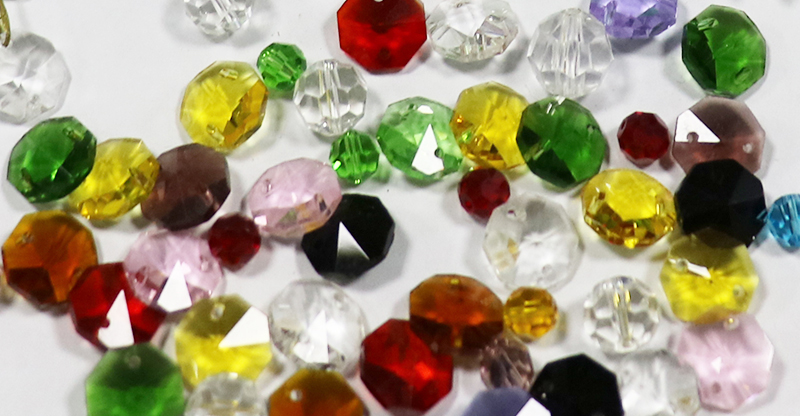
Artificial Crystal (Imitation Crystal)
Artificial crystal, also known as high-lead glass or lead-quality glass, is a synthetic material that closely resembles natural crystal but is produced through a man-made process.
Ingredients and Characteristics:
Lead Content: Artificial crystal contains about 24% lead oxide, which enhances its reflective and transparent qualities. The higher the lead content, the better the reflection and transparency.
Hardness: With a hardness of about 6.8 on the Mohs scale, artificial crystal is relatively durable and resistant to scratches.
Appearance: Artificial crystal has a pure, transparent appearance with a white luster. Unlike natural crystal, which may contain visible impurities, artificial crystal is relatively free from defects.
Feel: While it feels cool to the touch, it does not have the same pronounced coolness as natural crystal.
Craftsmanship: Despite being man-made, artificial crystal can be crafted with exceptional detail and artistry, often surpassing natural crystals in terms of design complexity.
Cleaning: Crystal can be cleaned directly with water or with a cloth dampened with water. It is important not to use corrosive detergents, and cleaning should be done about once a year to maintain its luster.
Artificial crystal is valued for its clarity and transparency, offering a more affordable alternative to natural crystals. Its high lead content ensures excellent reflective qualities, while its craftsmanship often rivals that of higher-end materials.
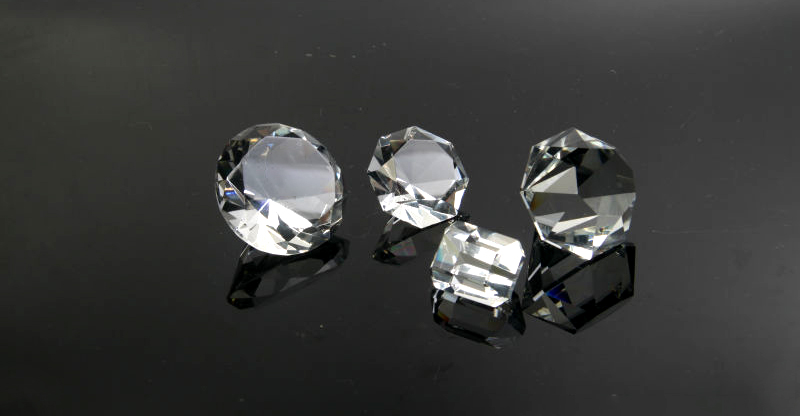
Conclusion
Each type of crystal has its unique characteristics and applications. Swarovski crystals are known for their exceptional quality, precise cutting, and brilliance, making them a top choice in luxury items. Egyptian crystals, while elegant, lack the precision and brilliance of Swarovski. Imitated crystals, though affordable, do not offer the same optical qualities or durability and are often used in costume jewelry or less expensive products. Artificial crystal offers a middle ground, providing a synthetic alternative to natural crystal with impressive clarity and transparency. Understanding these differences is essential for selecting the right crystal for a particular purpose, whether it's for high-end jewelry, home decor, or functional lighting designs.
 EN
EN