Materials Used for Pendant Lights
Pendant lights have become a popular choice for both lighting and decoration, hanging elegantly from the ceiling to add a touch of sophistication to any room. Often used in dining rooms, kitchens, living rooms, and even bedrooms, pendant lights serve both functional and aesthetic purposes. While many are familiar with the variety of pendant light styles available, fewer people understand the materials used in their construction. The material of a pendant light not only influences its visual appeal but also impacts its durability, weight, ease of maintenance, and overall atmosphere in the room. Here, we explore some of the most common materials used in pendant lights and their unique qualities.
1. Wooden Material
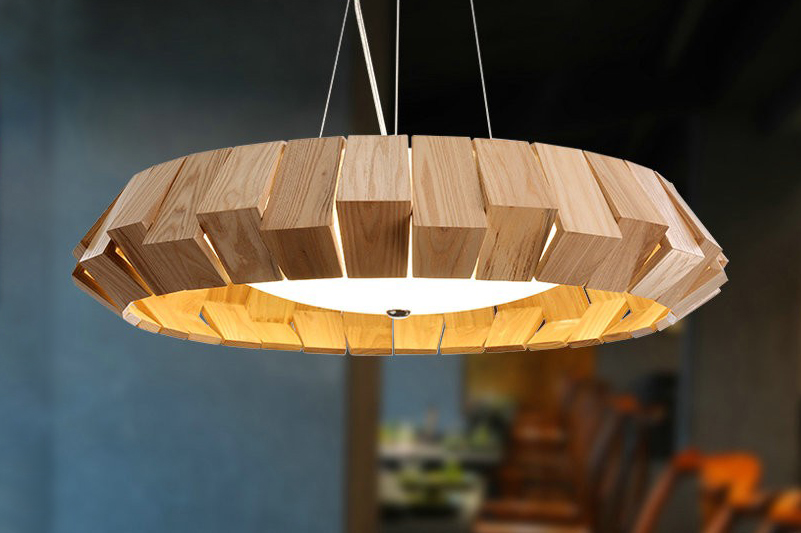
Wood is a classic material that evokes warmth and natural beauty. Pendant lights made from wood are particularly popular in traditional, rustic, and natural design themes. The wooden material is often used in Chinese or American-style pendant lights, adding a unique touch of heritage to modern interior designs.
Wooden pendant lights are typically made with materials such as high-quality hardwood, including mahogany, oak, or walnut, which adds a luxurious and rustic element to any space. The lampshade may be made from finely braided wooden slats or planks, while the frame and base are also crafted from solid wood. This choice of material is perfect for matching with solid wood furniture or other wooden elements in a room.
One of the biggest advantages of wooden pendant lights is the timeless, natural aesthetic they bring to a room. The grain of the wood adds texture and visual interest, making the pendant light not only a functional piece but also a beautiful decorative item. It enhances the overall atmosphere by introducing organic elements into modern or minimalist settings, offering a balance of warmth and elegance.
2. Glass Material
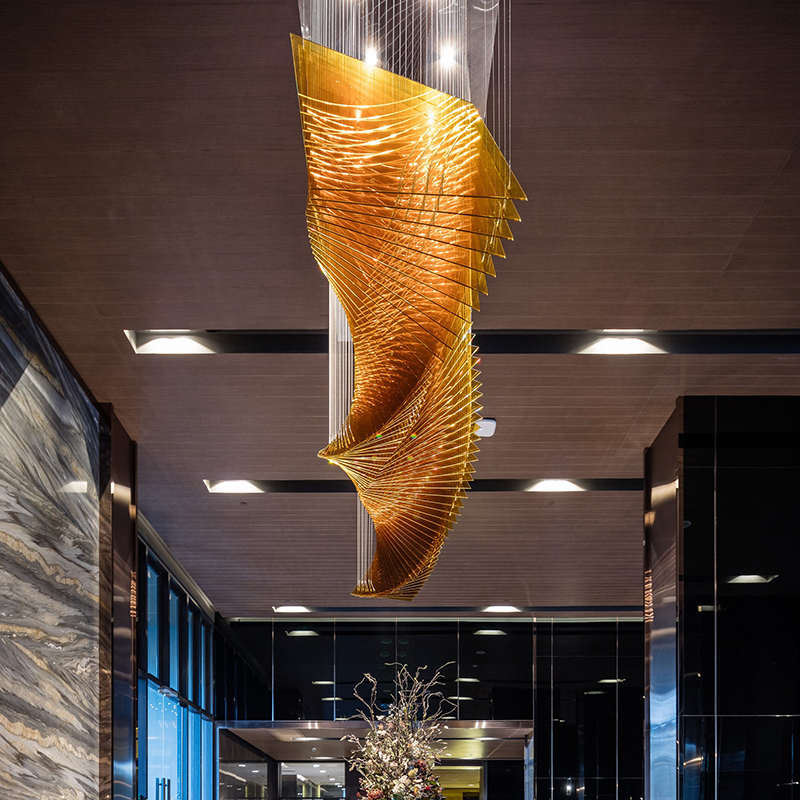
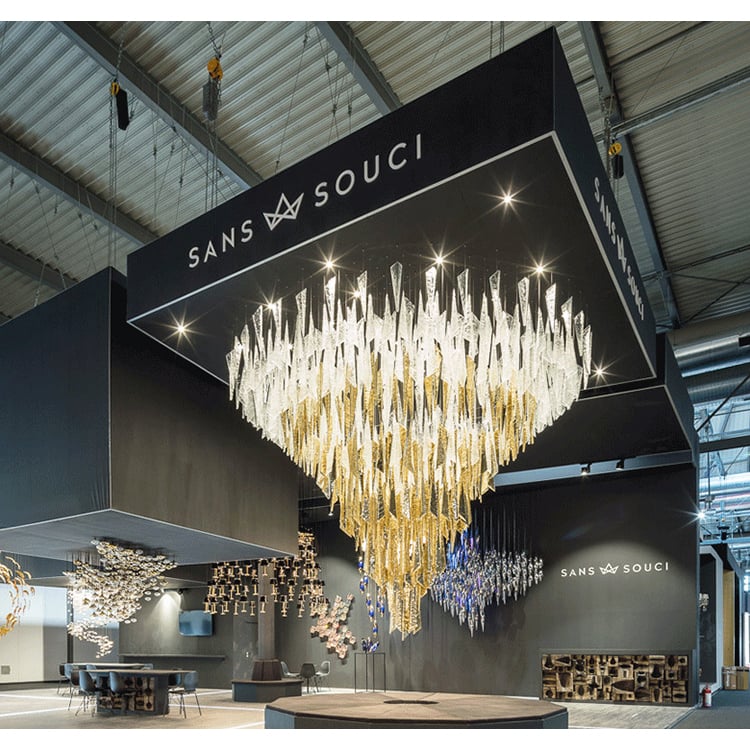
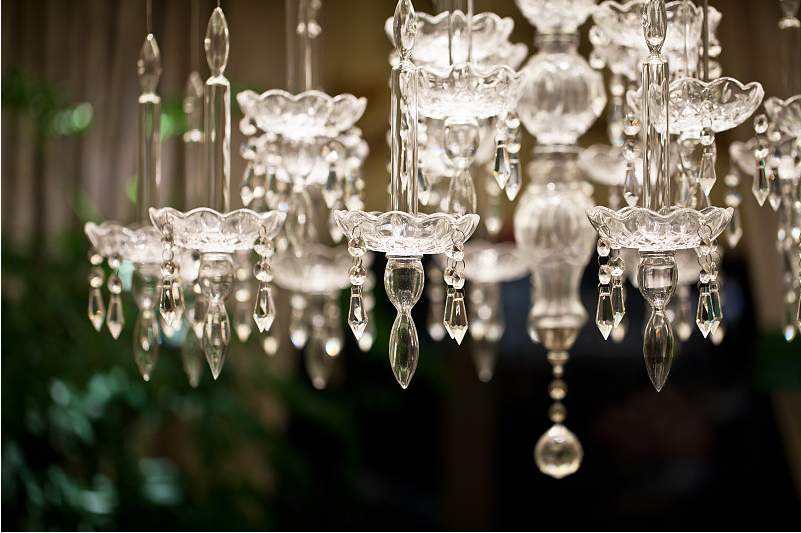
Glass is one of the most common materials used in pendant lights, especially for those with a European or contemporary design influence. Glass pendant lights are highly versatile, as they can be molded into a wide variety of shapes, including globes, cones, cylinders, and more.
The key advantage of glass pendant lights is their aesthetic versatility and high decorative value. Glass lampshades can be clear, frosted, or tinted, allowing the light to shine through in different ways. Clear glass shades offer maximum light transmission, casting bright, unfiltered light into the room, which is ideal for task lighting in areas like kitchens or workspaces. Frosted or colored glass can soften the light, creating a more atmospheric or romantic vibe, perfect for dining rooms or bedrooms.
Glass pendant lights often give off a very warm, intimate glow that adds to the overall ambiance of the space. The material also works well in modern, minimalist, and industrial decor, making it a versatile choice for homeowners who want a stylish, contemporary look. Additionally, glass can be manipulated into various intricate designs, from hand-blown pieces to sleek, modern shapes, which adds a touch of artistry and craftsmanship to the light fixture.
3. Plastic Material
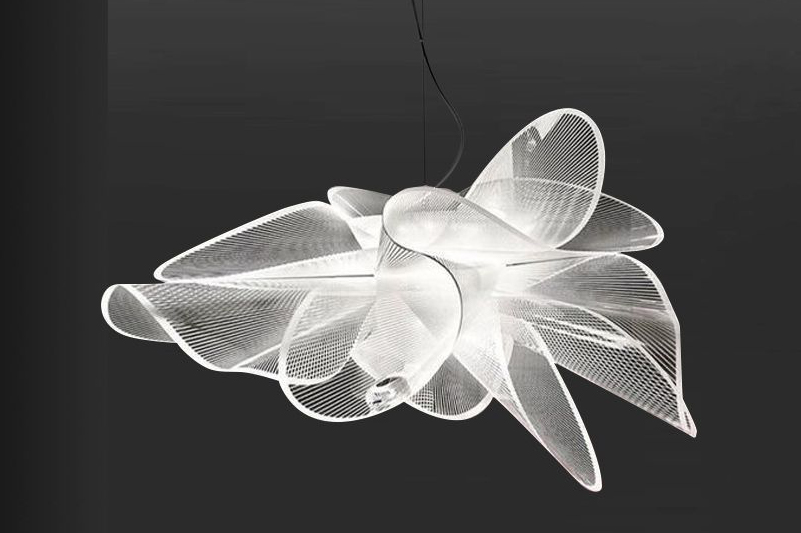
Plastic pendant lights are gaining popularity due to their lightweight nature and the flexibility they offer in design. Unlike other materials, plastic pendant lights are much lighter and easier to install. The material allows for a variety of creative shapes and colors, making them perfect for those looking for affordable, customizable lighting options.
The manufacturing process of plastic pendant lights is more cost-effective and simpler compared to materials like glass or metal. Plastic can be molded into almost any shape or style, offering endless possibilities when it comes to design. You’ll find plastic pendant lights in a wide array of colors, including transparent, opaque, and neon shades, making them a perfect choice for modern or playful interiors.
One of the major benefits of plastic pendant lights is their ease of maintenance. Unlike wood, which can absorb moisture or dirt, or glass, which can accumulate fingerprints and smudges, plastic is much easier to wipe clean. However, while they are more affordable and low-maintenance, plastic pendant lights can have certain drawbacks. After extended exposure to heat, plastic may emit an odor or begin to discolor, which could affect its long-term durability.
4. Metal Material
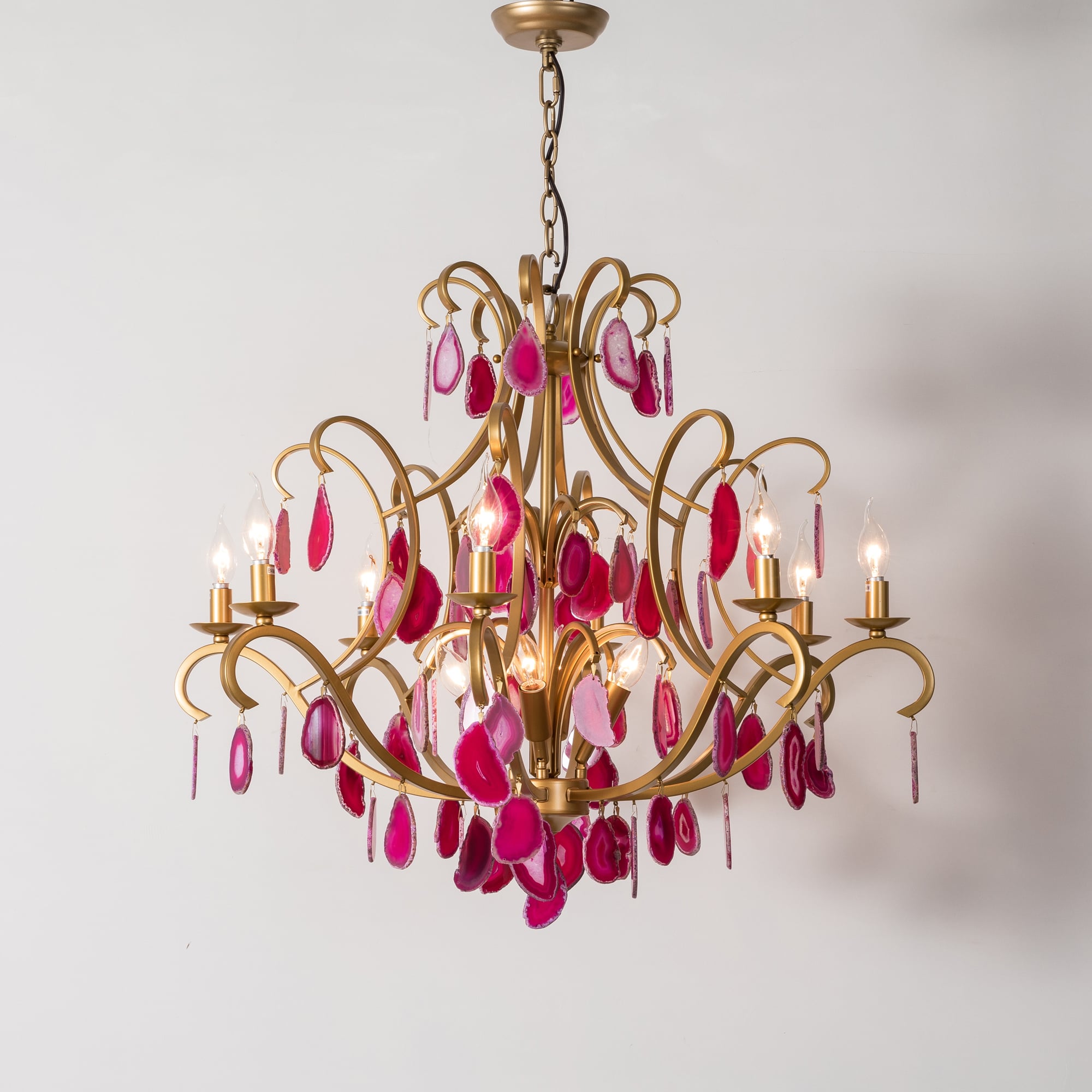
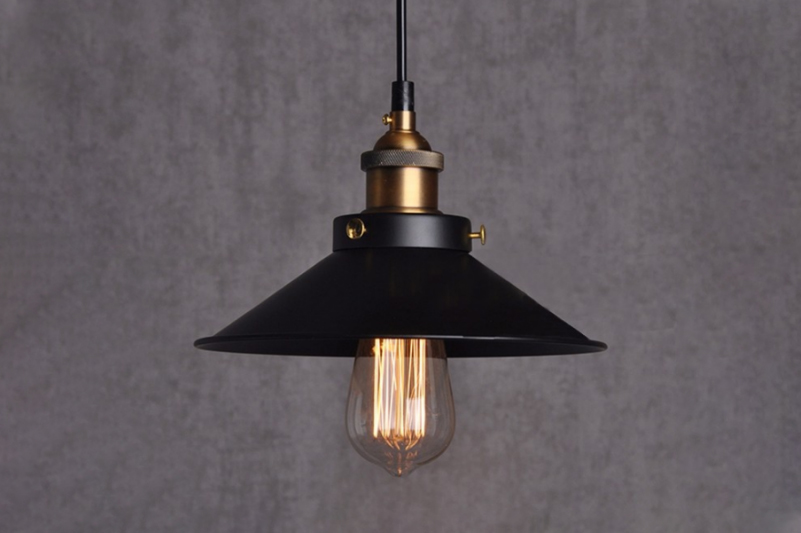
Metal pendant lights have become a favorite in industrial, contemporary, and minimalist interior designs. Their sturdy, durable construction and sleek appearance make them ideal for creating a modern, chic atmosphere. Materials commonly used for metal pendant lights include aluminum, steel, brass, copper, and iron, each offering a different visual impact and aesthetic quality.
The tactile nature of metal pendant lights adds to their charm, giving the fixture a strong, industrial look that complements modern urban environments. Metal pendant lights come in a wide range of styles, from minimalistic and sleek to vintage or retro-inspired designs. Many feature matte finishes or brushed textures, while others boast highly polished surfaces, adding a touch of elegance and luxury.
An important advantage of metal pendant lights is their resistance to high temperatures. Unlike plastic or even glass, metal pendant lights can endure prolonged exposure to heat without losing their structural integrity or emitting odors. This makes them an excellent choice for areas with high heat, such as kitchens, where they can be safely used above stoves or cooktops.
In addition, the durability and longevity of metal make it a reliable option for pendant lights in high-traffic areas. Since metals are highly durable, they are often used in high-end or industrial-style spaces, creating a strong focal point in the room. The versatility of metal materials also extends to their ability to be molded into various shapes and sizes, giving homeowners the flexibility to choose from a wide range of designs.
Conclusion: Choosing the Right Material for Your Pendant Light
When it comes to selecting the perfect pendant light for your space, the material plays a key role in determining both the function and aesthetic value of the light fixture. Each material offers its own set of benefits:
Wooden pendant lights are ideal for those seeking a natural, rustic, or traditional look that pairs well with wooden furniture and organic design elements.
Glass pendant lights offer versatility and elegance, providing bright, transparent light and creating an intimate atmosphere with their soft, diffused glow.
Plastic pendant lights are lightweight, cost-effective, and easy to clean, offering endless design possibilities with vibrant colors and shapes, though they may not have the same longevity as other materials.
Metal pendant lights are durable, heat-resistant, and perfect for modern or industrial settings, offering a strong, tactile aesthetic and long-lasting quality.
Understanding the advantages and potential drawbacks of each material will help you choose the right pendant light to match your home’s design style and functional needs. Whether you’re seeking a luxurious statement piece or a simple, practical solution, there’s a pendant light material that can enhance the look and feel of your space. If you're looking for something unique or custom-made, don’t hesitate to explore stores or manufacturers that offer tailored lighting solutions to meet your specific requirements.

 EN
EN